Tag: family

  • My First Roommate

    My First Roommate

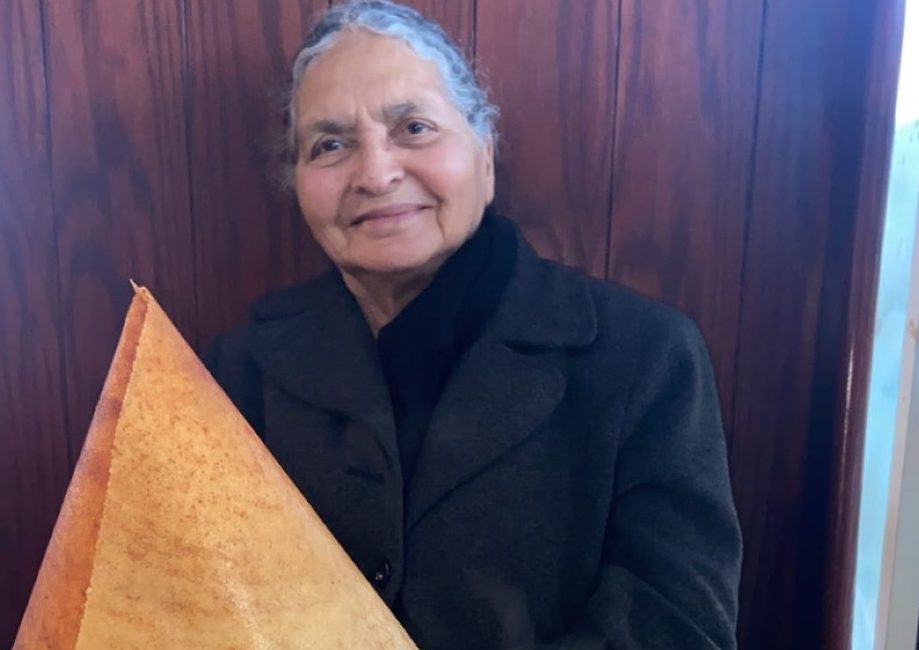
    I am an early riser, primarily due to my Dadi’s (Hindi for ‘grandmother’)  influence. We shared a room for 18 years.

    Each morning, before dawn, I woke up to my Dadi chanting prayers. She is a petite woman, five feet tall at most. With white and black stripes through her frizzy hair, she looks good for 80. As is customary in Indian families, it is our responsibility and privilege to provide her with companionship and care— especially as my grandfather passed away many decades ago. Sharing a space with her opened up room for endless conversations during our evening pillow talks. These nighttime chats gave me insight into our family history and taught me valuable lessons. Most importantly, I learned that patience is the softest form of love. 

    I listened to her stories, which covered topics including her aching joint pains and her life as a librarian in Uttar Pradesh, India. Her stories were windows, opening my eyes to perspectives similar and different to my own. I relished our conversations, knowing I could lift her spirits by listening to and acknowledging her experiences while she helped me learn our family’s rich history.

    The same sense of companionship that Dadi inspired led me to volunteer at a long-term care home during the COVID-19 pandemic. It was there that I met Christina. On the surface, she and I seemed unlikely mates. My first few one-on-one visits were uncomfortable — silence filled the air. Over time, through consistent visits and simple questions, I learned about her deep love for music and how it related to her religious beliefs and her upbringing in Germany. She hummed to gospel hymns, closing her eyes to feel the rhythm. Christina’s face lit up when I suggested we sing together for all the residents to hear. Accessing her cultural and religious beliefs allowed the light inside her to radiate, similar to Dadi’s when she chanted her prayers and mantras.

    Through my grandmother and Christina, I have grown to appreciate the perspectives of the elderly. These heartwarming interactions have shed light on the power of deep empathy and the huge rewards of loving selflessly.
  • Life Lessons I Learned Coaching Kids in Sports

    Life Lessons I Learned Coaching Kids in Sports

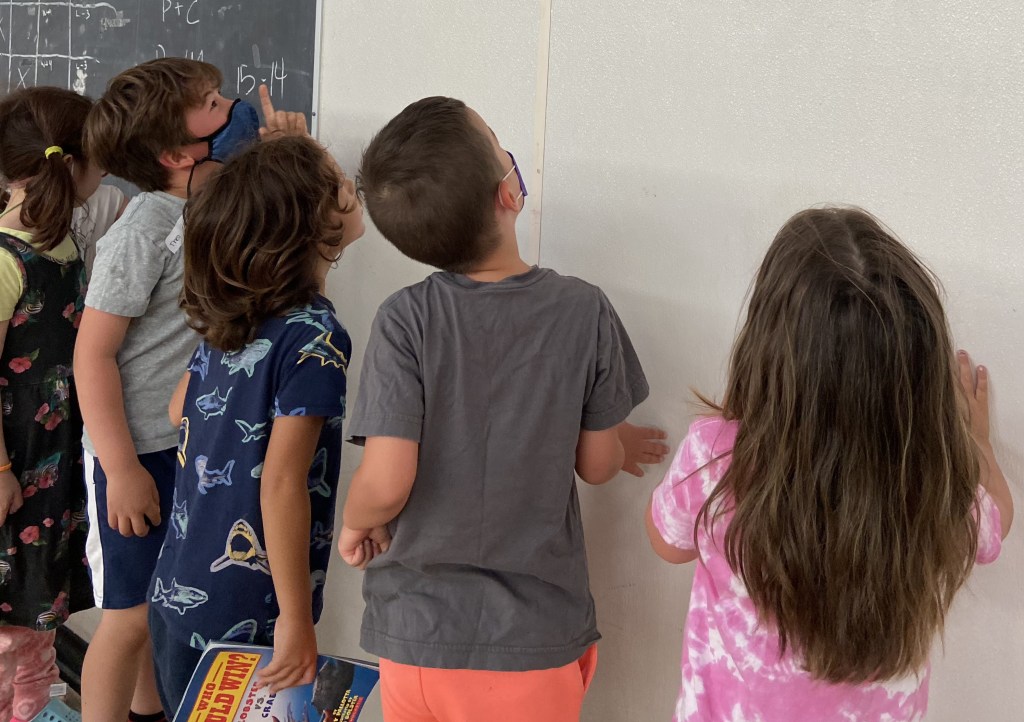
    Children were my blind spot. I wasn’t around them nearly enough to understand their language. This was partly why I decided on a summer position at SportBall in 2022, coaching children and families. Two years and a promotion later, I am now responsible for mentoring our new hires. 

    Here are four lessons I learned as a SportBall Coach: 

    1. Engaging children and keeping their attention in a fun, silly, and conscious way. During my first training shift, I pretended to squawk like a chicken to explain an activity to a parent-tot class. Forced to throw my pride out the window, I felt slightly embarrassed before feeling liberated. Not only did I let loose and be goofy, but I brought smiles to everyone’s faces. I also learned that positive reinforcement is the best way to manage behaviors. If a group is wild and unruly, I look to find the children quietly waiting for instructions and announce that I like how they are listening and have their eyes on me. I watch the rest of the group promptly sit in line like dominoes. Praising and noticing positive behaviors can also be applied to life outside the gymnasium. Praising friends, significant others, and our peers makes them feel engaged and acknowledged. 
    2. The walls of a local community center nurture a sense of belonging. Last week, I met a mother and her five-year-old son, who moved from Iran to Vancouver 6 months ago. The young boy had previously enrolled in a Montessori soccer class, but his mom noticed he didn’t enjoy it. His mum stayed in the gym for the 3-5 age range class. He was laughing the entire time, with a grin reaching his ears. At the end of class, she shared her recent immigration story and had tears welling in her eyes. She expressed gratitude for me, the class, and the joy it brought her son. She leaned over and gave me multiple hugs. It was so endearing. SO heartful. This is why I love being a coach. 
    3. Patience transforms relationships. Patience is the ability or willingness to suppress restlessness or annoyance when confronted with delay. I now know that it comes with experience and empathy. It can be frustrating when kids don’t listen to instructions or seem uninterested in participating. The most significant shift in my thought process happened when I looked at the WHY. When approaching situations in class, I seek to understand the player’s perspective, which allows for open conversations. One of my go-to statements is, “You can join in again when you feel ready.” Practicing patience helps us avoid becoming irritated and provides the ability to understand life from the perspective of another. By surrendering to the things we are powerless over, we can focus on what we can control–our thoughts and actions. 
    4. Consistency = Discipline = Freedom. The importance of a rule is learned by consistently having it enforced.  As simple as this sounds, it can be challenging to sustain. Following through with what we say we will do gives power to our words. Yesterday, I coached an energetic group of four-year-old boys who had trouble sitting still and waiting for instructions. I noticed their parents taking deep breaths amidst the screeching screams. I announced that we would not get special stickers if we didn’t do our best listening. This helped briefly. At the end of class, the boys are usually given two types of stickers. Once it was sticker time, I brought out one kind of sticker and explained why they did not get two choices. For the next class, they now know that if they use their best listening skills, they will have autonomy over which sticker type they choose. Though I am not a parent yet, I am thankful to learn that consequences teach the link between behavior and reward, which empowers them to make better choices in the future. 

    The lessons I’ve learned from coaching have extended beyond the sports arena. My experiences illustrate the power of purposeful support, demonstrating how it can build resilient kids who live more fulfilled lives. Empowering children with the mindset and tools for self-regulation will create a society where respect, love of the game, and teamwork take precedence.